

Razor Shark Online Slot In Germany
You'll learn about features, risks, and payout methods, set limits, and play Razor Shark in Germany from 18+ with a plan.
Razor Shark Slot Online
Imagine opening the underwater slot for the first time and immediately being in fast-click mode. The sea roars, the symbols flash, and before you know it, 50 spins are gone. That's precisely why a calm start is worthwhile: first check the controls, then set your bet, only then truly begin the session.
Razor Shark is a game that relies heavily on dynamics. There are rounds that seem unspectacular, and then brief moments that suddenly carry a lot of weight. This is not a flaw, but part of the design. If you factor in these waves, you avoid the classic mistakes: increasing bets out of boredom, reloading out of frustration, doubling the pace out of euphoria. Three reactions that feel good but rarely end well.
Start with a test block. Choose a bet level where you remain relaxed, even if little happens for several rounds in a row. Play deliberately slowly, without long series, and especially observe yourself: Are you getting impatient? Do you automatically reach for the plus button? If so, that's not a sign that "something is about to happen," but rather an indication that your framework isn't suitable. Lower your bet or shorten the session.
Many players also underestimate the influence of device settings. On a smartphone, the path to the next round is shorter, and that's precisely what makes autopilot so dangerous. If you play on mobile, set short series and incorporate mini-breaks. On desktop, you often have a better overview – use that to stop briefly after each set, instead of ending up in an endless loop.
All promotional incentive structure is clearly stated in writing and/or via electronic means in an easily understood manner. All codes are accompanied by an explanation of what the code is for, who is eligible to use the code, and how it should be used. As such, players are less likely to be confused about what is required of them in order to receive a reward and how the reward will be applied after receiving it. The promotional incentives provided to participants provide them with time to become familiar with the gaming system's mechanics, their interface, and progress, before deciding how deeply they wish to become involved with this platform. Therefore, players are encouraged to participate in an informed manner, rather than being pressured or tempted to act quickly.
Slot Razor Shark
Imagine you're looking for exactly this slot machine because you've heard about big moments, and you start with the expectation that it will hit quickly. Then a quiet phase comes, and suddenly everything feels sluggish. In such moments, it's decided whether you play in a controlled manner or if you start chasing the outcome.
The most important step is to think of the game as a session, not continuous operation. Set a time, for example, 25 or 40 minutes, and set a hard stop. After that, you either quit or at least take a longer break. This boundary is not against fun, but for clarity. Without a limit, it's easy to slip into "just a little longer," and in gambling, that's an invitation to overextend.
Work with budget blocks. Divide your balance into three to five parts. One block is for testing, one block is the main part, one block is reserve - or remains unplayed. This sounds simple, but it changes your behavior. You don't evaluate every single round, but rather sections. And sections can be ended without feeling like giving up.
It's also important how you handle winnings. Many let a good hit immediately flow back into the slot machine because the flow is so nice. Imagine you're significantly in profit and think: "Just one more set, then I'll stop." That's precisely when many advantages disappear again. After a noticeable win, make a cut: stand up, get water, look away briefly. Only then decide what to do next. This break is the best brake against euphoria.
Razor Shark Game
Imagine you don't just want to spin, but truly understand what's happening in the background. You click on Info, see rules, special symbols, features - and close it again because it seems too dry. Yet, these very two minutes are what will save you stress later, because you'll know what to expect.
A good start is to read the mechanics like a toolkit: What triggers special phases? Which symbols connect a lot? When is a slower pace worthwhile? You don't need a parade of numbers, just clarity on how hits are put together. If you know the process, you can adapt your session accordingly: short sets, conscious stops, no frantic bet changes in the middle of the action.
Razor Shark Casino Game
Imagine you're playing on a platform in Germany and want everything to run smoothly - deposits, playing, withdrawals, support. For this, you should take care of the basics beforehand: create an account, fill out your profile completely, accept age requirements from 18+, and set up protective features before you even think about the first spin.
Online platforms differ in details, but the secure process remains the same. First organization, then entertainment. If you reverse this, it often ends up like this: you have a good moment, want to secure it, and then the paperwork begins. This creates pressure. And pressure leads some to continue playing "for distraction" - an expensive reflex.
Choose your limits like guardrails. A time limit prevents marathon sessions, a deposit framework prevents impulsive reloads, and a loss limit protects against chasing losses. Set these things when you are calm, not when you are already in the thick of it. Many players also set reality checks so they are regularly reminded how long they have been playing. That's not a disturbance, that's a reset button.
If you notice that you are no longer playing out of curiosity, but only because you "have to," that is the strongest stop signal. In that case, a timeout or a longer break helps more than any new spin. Responsible gaming doesn't mean never playing - it means being able to stop at any time.
Understanding Game Structure and Symbols
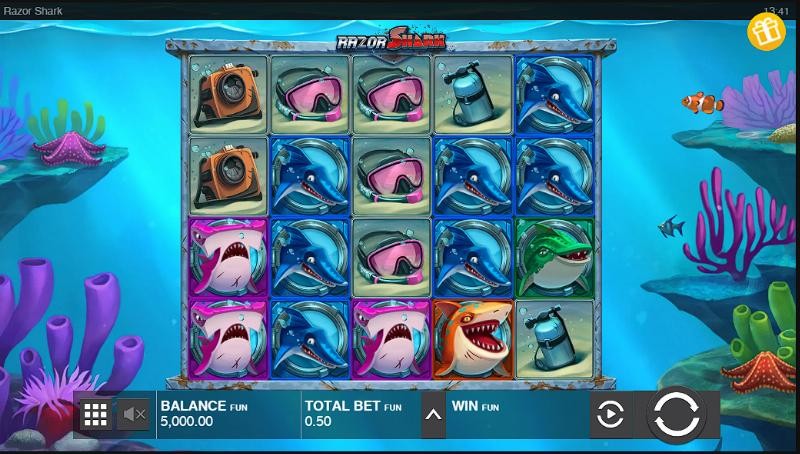
Imagine you see a round where several matching symbols suddenly appear, and your head immediately thinks: "Now it's happening." Then you increase the pace, maybe even the bet, and lose track precisely at that moment. It's better to calmly read the structure: hits come in waves, special moments are rarely plannable, and your only lever is your behavior.
Read the display elements like a dashboard. Where do you see the current bet? Where do you stop series? Is there a setting that pauses during special events? If you clarify this beforehand, you avoid the classic misclicks that turn a relaxed session into a hectic one. Many players consciously play in sets of 10 to 30 spins and check after each set: time, budget, mood. Then they decide to continue - or stop.
Pay attention to your pace in relation to your attention. If you're chatting or watching videos on the side, play slower or not at all. Fast slots, in particular, don't reward autopilot – they just silently eat up your budget. If you catch yourself clicking faster because you're bored, don't make more spins, but take a break. Boredom is not a reason to move money faster.
Security, 18+ and Limits In Germany
Imagine you just want to play casually, but you have no plan for when to stop. Then it's not your head that decides, but your feelings - and feelings change quickly in gambling. In Germany, it makes sense to view player protection as part of the setup, not as an emergency button. Playing from 18+ is the basis, and beyond that, limits help you keep the session clean.
Create Account and Verification
Imagine you win and want to withdraw, but then a step required by the platform is missing. This can be frustrating, even though it's often routine. Complete verification and profile data early, when you are calm. Check that your name and details are consistent to avoid unnecessary queries later.
Afterward, do a dry run: open the cashier, see where limits are set, and remember how to activate a pause function. Many players skip this because they "just want to play for a bit." Precisely this brevity then becomes a problem when you suddenly have to search for rules later under time pressure.
Divide Budget Into Blocks
Imagine your balance is a single pot, and every loss feels like an attack on the whole evening. Instead, divide it into blocks. One block is for testing, one is the main part, one is reserve. If you dip into the reserve, that's a sign: either lower your bet or end the session. This structure prevents you from making decisions out of spite.
An additional trick is the "mandatory break": After each block, you must stand up. Sounds silly, but it's effective because it interrupts the autopilot. And if after the break you notice that you are more irritated than curious, stop. This is responsible gaming in everyday life, not just theory.
Pace, Auto-Spin and Breaks
Imagine you start long series, lean back, and suddenly several minutes and a large part of your budget are gone. Instead, use short series and incorporate stops. If possible, set it so that special events do not run through in autopilot, allowing you to make conscious decisions.
Pace is an amplifier. It amplifies fun, but it also amplifies mistakes. If you are tired, play without turbo. If you are distracted, play slower or not at all. And if you notice yourself speeding up out of boredom, that's a moment for a break, not a "just one more set" moment.
Deposits, Withdrawals and Support
Imagine everything is going well, you're having a positive moment, and right then you want to secure the outcome. If deposits and withdrawals are chaotic, stress arises - and stress often leads to continued play instead of a clean finish. Separate organization from the game: first cash desk and rules, then the session. This way, your mind stays calm.
Payment Methods and Daily Routine
Imagine reloading is extremely convenient, and precisely in a bad phase, the impulse comes: "Just one more time." Therefore, set a clear rule: only deposit before playing, not during. If you feel like topping up anyway, first take a break and decide afterwards. This delay turns a reflex back into a decision.
Also, use a routine that always runs the same way. You open the platform, check limits, set timers, and only then start. Players who play this way less often have that uncomfortable feeling that the session "just happened".
Section | What You Define Beforehand | Why It Helps |
Time Window | Start and end of the session | stops "staying in too long" |
Deposit Limit | fixed upper limit per day/week | prevents impulse reloading |
Loss Limit | hard stop point | protects against chasing losses |
Win Rule | Pause or end after peak | makes advantages tangible |
Protection Options | Timeout and reality check | breaks autopilot patterns |
Withdrawal Preparation Without Stress
Imagine you are euphoric after a good hit and immediately click on because it feels like "more". Precisely at this moment, many players lose their advantage again. After a peak, first take a break, then decide: secure or end. If you want to withdraw, check your data beforehand so that the process doesn't get stuck on small details.
If a withdrawal takes longer, remain objective. Note the amount, date, method, and the status you see. And avoid the mistake of continuing to play "to bridge the time". This mixes two things that should remain separate: entertainment and processing.
Support Inquiries Without Ping-Pong
Imagine you just write "it doesn't work" to support. Then follow-up questions come, and it takes longer. Write briefly and specifically: What did you want to do, what do you see, since when, with what method. The better the information, the faster help can be provided.
Maintain a solution-oriented tone. Annoyance is understandable, but it often makes messages unclear. Many players get help faster if they first provide facts and then ask a precise question, for example, about the next step or missing information.
Timeout and Self-Exclusion
Imagine you're no longer playing for fun, but because you want to "fix" your account balance. This is the point where protection features show their value. Timeout helps in the short term if you realize you're losing control. A longer ban is useful if patterns repeat: playing too often, staying too long, reloading too frequently.
These tools are not a punishment, but a safety net. If you play in Germany from 18+, it is wise not to use them only in exceptional cases. Set them up when you are calm, so that you are not later in a situation where you need them but can no longer decide clearly.
Conclusion: Play Calmly and End Clearly
Imagine ending a session and being able to clearly explain why: time limit reached, budget plan adhered to, mood remains calm. That's a good ending - regardless of whether the evening had a peak or not. Precisely this clarity transforms gambling into leisure instead of stress.
When you play Razor Shark, it's not the perfect round that counts, but a stable routine: set limits, divide your budget into blocks, control your pace, and use breaks. Organize your cash and verification early so that withdrawals remain predictable. And if pressure builds up, stop. Control beats chasing – and usually brings more calmness to every session in the end.
FAQ
How do I start a session without frantic clicking?
Imagine you open the game and immediately hit start because everything seems so simple. First, set a timer, choose a bet level for a test block, and play without long streaks. After the test, take a break and consciously decide whether to continue to the main part or stop.
Which limits help me most in everyday life?
A time limit, deposit framework, and a fixed loss limit are the strongest combination. Imagine you could reload at any time and extend 'just for a bit longer' – that's exactly what ruins sessions. When limits are active, you don't have to negotiate with yourself later; you just follow your plan.
What do I do if I want to reload because things are going badly?
First, stop and take a short break. Imagine the impulse comes from frustration and not from a calm plan. Get up, drink water, wait two minutes, and then decide - often the urge disappears as soon as your mind is neutral again.
When is the best time to secure winnings?
After a noticeable win, a break is the best filter. Imagine euphoria driving you directly onward, and in the end, the advantage is gone. Finish the current block, stop briefly, and only then decide whether to end the session or secure a part of it organizationally.
How can I prevent auto-spin from eating up my budget?
Use short series and enforce a mandatory stop after each series. Imagine you look away briefly and several minutes run through - that's the autopilot. A timer plus mini-checks after each set brings you back: time, budget, mood, then continue or log out.
What should I check before a withdrawal?
Check profile data, chosen method, and if anything else needs to be confirmed. Imagine a small detail is missing and everything is delayed - that can be avoided with preparation. If there are queries, note the amount, date, and visible status so you can ask clearly.
When is a timeout or a longer break advisable?
As soon as playing feels like an obligation or pressure. Imagine you become irritable, click faster, and only look at your account balance - that's a stop signal. A timeout creates distance, and a longer break protects if this pattern repeats and you lose control.