
background

Razor Shark Demo Bonus Buy In Test

Test Razor Shark in trial mode, understand features, set limits and play in Germany from 18+ with clear breaks.

Razor Shark
Razor Shark

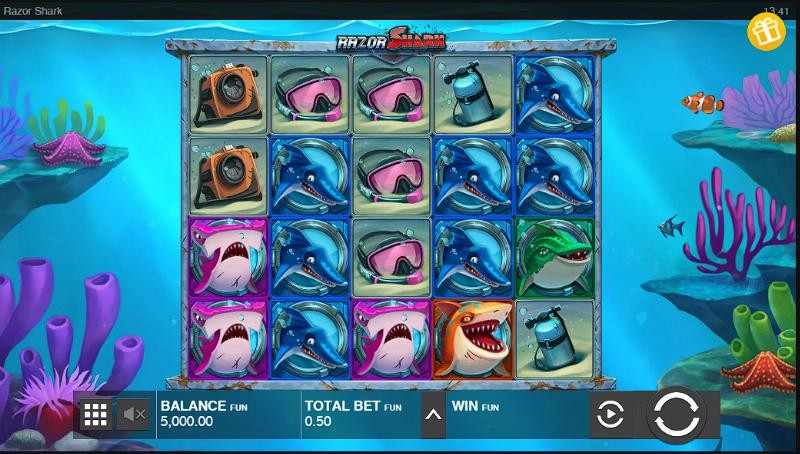
Razor Shark Demo Slot - Interface And Process

The first impression often decides faster than any theory. Imagine opening the game on your phone and realizing after three clicks: you're looking for the bet slider, can't find the rules immediately, and become impatient. That's exactly what demo mode is for – you learn the interface without every mistake costing money. Take two minutes at the beginning to orient yourself: Where are the rules, bet, speed, sound, and how do you stop an automatic function if you activate it?

Start with a steady rhythm. Many players click too fast because the animations seem fluid, and later wonder why the session feels "blown away." Do it consciously differently: set a small test bet, play a short series, stop, read the displays. If you can't explain what you just observed afterwards, the pace was too high. In Germany, 18+ applies - and responsible gaming starts right here, with conscious stops instead of "just one more quick round."

All promotional incentive structure is clearly stated in writing and/or via electronic means in an easily understood manner. All codes are accompanied by an explanation of what the code is for, who is eligible to use the code, and how it should be used. As such, players are less likely to be confused about what is required of them in order to receive a reward and how the reward will be applied after receiving it. The promotional incentives provided to participants provide them with time to become familiar with the gaming system's mechanics, their interface, and progress, before deciding how deeply they wish to become involved with this platform. Therefore, players are encouraged to participate in an informed manner, rather than being pressured or tempted to act quickly.

demo image 1
Razor Shark

Demo Razor Shark - First Test, Then Decide

The demo mode is not a warm-up phase, but your test bench. Imagine you've had a stressful day and want to switch off for a moment. In such a moment, every small effect seems bigger, and you're more susceptible to the reflex of staying longer than planned. If you already notice during the test run that you're clicking faster or skipping breaks, that's clear information: you need more structure, not more excitement.

Work with a simple plan that also works in everyday life. Block 1: 20-30 spins, then stop. Quick check: Were you attentive, or did you slip into autopilot? Block 2 only if you still decide just as calmly after a break. Many underestimate this break. Imagine you get up briefly, drink water, come back - and suddenly the urge is gone. Then the best decision wasn't "continue playing," but "close."

Also use the test run to compare devices. On a desktop, there's often more overview; on a smartphone, more stimulation. If you play on the go, set stricter rules for yourself: shorter blocks, no multitasking, and a timer. It's not about being "strong," but about making decisions easier for yourself.

demo image 2
Razor Shark

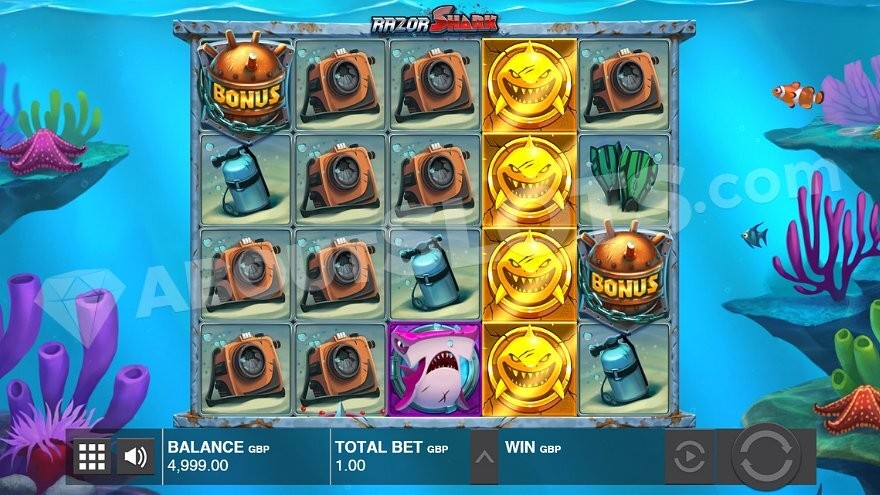
Razor Shark Bonus Buy Demo - Understanding Feature Purchase

A purchased bonus phase sounds like a shortcut, but it's primarily a risk boost. Imagine you're curious, want to see the special round, and click spontaneously. Suddenly, the game pace is emotionally higher, you react faster, and your budget feeling shifts. That's precisely why you should only test this option if you've set limits beforehand: fixed session duration, fixed budget, and a clear rule about what happens after the attempt.

Treat feature purchase like a laboratory experiment, not a "tactic." You try it once, stop immediately afterwards, and take a break. If you then feel the impulse to repeat immediately, that's your warning signal. Don't discuss, don't "balance out," don't reload. Stop, time-out, or end the session. Especially in Germany and for 18+, that's the difference between entertainment and pressure: you control the session, not the moment.

Razor Shark Casino Demo - Setup Before Real Money

Many problems don't arise within the game, but around it. Imagine you want to start "just for a moment," but suddenly you have to confirm something, search for settings, or complete a step. This is annoying because it pulls you out of "leisure" mode. Therefore, separate setup and play: set up your account, limits, and payment method when you have time - playing only happens afterwards, in a clearly limited session.

If you're planning real money play, start smaller than your impulse tells you. The most common mistake is the jump: first test relaxed, then immediately start too high because it "should be serious now." Make it simpler: First set limits (time and budget), then set a short real-money test run and end it even if it seems exciting. A good start is one where you can stop without drama.

Razor Shark Demo Play - Rhythm and Breaks

The most important skill isn't "patience," but rhythm. Imagine you're clicking in sync with the animations and after a few minutes you realize: you're no longer playing, you're just letting it run. Interrupt that early. Play in blocks, not endless rounds: a short series, stop, a quick look at the displays, a short break. If you catch yourself skipping breaks, that's not the moment for more spins, but for fewer.

Also pay attention to your body. It sounds trivial, but it's practical: If you're sitting tensely, breathing faster, or your hand becomes restless, the likelihood of impulsive decisions increases. Imagine you're tired and half-lying on the sofa - then your thumb slips, you hit buttons inaccurately, and suddenly the bet no longer fits. Sit upright, hold the device steadily, play slower. The test mode is perfect for training precisely these habits.

Razor Shark

Razor Shark Slot Demo - From Test to Real Money

The transition to real money should feel like a small step, not a leap into cold water. Imagine you had a good feeling in demo mode and immediately want to do it "for real." That's exactly when typical mistakes happen: too long a session, too few breaks, too fast clicks. Instead, make it plannable: set limits, define a budget, start a timer, play a short real-money block, then stop. If you still want to play afterward, do so only after a break - not out of impulse.

In Germany, gaming is intended for 18+, and responsibility doesn't mean you do everything "right." It means you truly utilize your stops. If you notice you're starting to chase, that's not a character test. It's a signal you take seriously. A time-out is then not a defeat, but a clean decision.

Bet Selection Without Jumps

Set the bet so that you don't constantly want to touch it. Imagine you're in a calmer phase and think a higher bet "helps." That's usually just impatience in numerical form. Stay constant for one block, only change after a break. This way, you'll recognize whether a change comes from a plan or from feeling.

A simple trick: Imagine you had to explain your bet to someone tomorrow. "Because I wanted to" is weak; "because it fits my session budget" is strong. If you don't have this justification, don't change anything. This small self-question prevents many impulsive decisions.

Speed and Autoplay Under Control

Pace decides whether you are still present. Imagine you play fast because it feels pleasantly fluid, and suddenly 50 spins are over without you realizing it. If you can no longer say what just happened, it was too fast. Reduce speed or consciously play in short series that you actively stop.

Autoplay is only useful if you use it like a timer. Set a small number of spins, stick to it, end it yourself. As soon as you read messages or switch tabs on the side, autoplay is the wrong choice. You want to decide, not just watch.

Frustration Signals and Stop Rule

Frustration is the moment when many push boundaries. Imagine you had a series without special events and feel the urge to "try one more time." That's when your stop rule applies: break or end. No chasing, no higher bets, no justification. If you realize you don't want to adhere to this rule, that's a strong argument for a time-out.

Be clear: You don't have to "win" to stop. Stopping is an active decision. Those who only stop when things are going well are training the wrong pattern. Instead, train yourself to stop according to a plan. That's the part that brings long-term peace of mind.

demo image 3

Razor Shark Casino Bonus Codes Activation Process

Razor Shark Casino Bonus Codes Conditions

Razor Shark

Top casinos for playing Razor Shark - current list

ALF Casino
ALF Casino
Mafia Casino
Mafia Casino
LeoVegas
LeoVegas
Razor Shark Betway
SG Casino
Razor Shark Betano
Retro Bet

Payments, Limits And Support In Germany

With real money, the slot becomes a small process: deposit, withdrawal, verification, support. Imagine you want to withdraw at the end of a session and realize a step is missing – that creates pressure, and pressure leads to bad decisions. Therefore, separate everything that is organizational from the actual session. Set up first, then play. And plan so that you are never dependent on a quick withdrawal. Entertainment works best without financial urgency.

To avoid improvising in everyday life, a compact overview helps. It is deliberately kept general because details can vary depending on the provider, but the logic remains the same: you control time and money beforehand, not in the moment.

Area

What You Define In Advance

When It Particularly Helps

Session Time

Timer or Time Window

if you forget time and stay “in”

Budget

Amount only for entertainment

if you would otherwise add more

Reality Check

Reminders during the session

if you slip into autopilot

Time-out

Break for hours or days

if frustration or stress increases

Self-exclusion

longer exclusion

if you repeatedly push boundaries

Support Note

Device, Step, Message

if you want a quick clear solution

Approach Registration And Age Verification Calmly

Do account setup when you have time. Imagine you just want to start “quickly” and hastily enter data – later something doesn't fit, and you have to rework it. That turns leisure time into a task. Enter neatly, check once, done. If confirmation is needed, plan it instead of getting annoyed by it.

If you notice that this process already makes you nervous, that's a signal: Stick to demo mode and postpone real money. You lose nothing. You gain peace. And peace is a real advantage when playing.

Deposit With A Plan Instead Of Impulse

A deposit is a budget decision, not a starting signal for excitement. Imagine you had a bad day and want to “treat yourself.” Then there's a high risk that you deposit more than you intended and then feel pressure. Do it differently: Set a session budget, set a timer, and accept the money as entertainment costs – without any claim to get it back.

If you win, secure a portion and end earlier. If you lose, still end according to plan. This sounds sober, but it quickly feels better because you're not negotiating with yourself. The plan carries you through good and bad phases.

Withdrawal Without Haste

Withdrawing is a process. Imagine you want to secure funds quickly and get impatient – then you click around, overlook hints, and make it more complicated. Stop, read, go step by step. If you need support, describe precisely what you've done: device, which menu item, which message. The clearer you are, the faster you'll get a useful answer.

Also, plan so that you are never dependent on an immediate payout. If time pressure arises, the mood shifts. And when the mood shifts, decisions shift. Therefore, keep the session as leisure activity separate from “I need the money.”

Limits As A Tool, Not An Emergency

Limits are not for “others”; they are for everyday life. Imagine you notice after 20 minutes that you're clicking faster and perceiving less. A time limit or reality check brings you back. If you still want to continue, a time-out helps because it ends the discussion. Self-exclusion is useful if you notice that you are repeatedly bending rules. This is not shame; it is self-protection.

FAQ

How do I start demo mode without stress?

Imagine you just want to test briefly – then turn off notifications, first open the rules, and only play a short block. This way, you'll quickly realize if you understand the interface without slipping into autopilot. End the block consciously and only decide after a break whether to continue.

How do I recognize that I'm playing too fast?

If after a few spins you can no longer say why you're continuing, or if you barely read any displays, you're usually playing too fast. Imagine your hand is already clicking before your head decides – that's exactly when you should reduce your pace and set a firm stop. Short series with breaks bring back control.

Should I use a purchased bonus phase immediately?

Only if you have previously set a budget, time limit, and a clear stop rule. Imagine you click out of curiosity and then immediately want to repeat – then excitement has won. A better test is: try once, immediately pause, then decide whether to continue playing or end the session.

What limits are most important for getting started?

A time limit per session and a deposit limit per period are a good start, supplemented by reminders during the session. Imagine you only wanted to play for a short time and lose track of time - a timer ends this discussion. If you find yourself wanting to top up, a time-out is often the cleanest brake.

What do I do if I want to keep playing after losses?

End the session and take a break before you decide anew. Imagine you think 'I'll get it back' - that's pressure, not a plan. Step away from the screen, take a breath, and only restart later when you are calm again.

How do I deal with withdrawal problems without hassle?

First, stop, read the message, and proceed step by step instead of clicking frantically. Imagine you are impatient and click multiple times - then it becomes unclear what is cause and what is effect. If you contact support, briefly describe your device, the step, and the message, then you'll get help faster.

When is a time-out or a self-exclusion useful?

When playing no longer feels like leisure, but like pressure, obligation, or an attempt to control an emotion. Imagine you want to stop, but you can't do it cleanly - then stepping away is the best decision. A time-out or a self-exclusion takes away the daily discussion and gives you peace of mind again.

Play Now
🇬🇧 English